
How to Deal With a Narcissist and Protect Your Peace

Narcissists are a part of life. You might not be able to change them — but you can still protect your peace and thrive. The first step is understanding what narcissism actually is.

What Is Narcissism?

A doctor named Havelock Ellis first wrote about narcissism back in 1898. The word comes from an old Greek story about a man named Narcissus, who fell in love with his own reflection in the water.

Narcissism means someone thinks they are more important than everyone else. They need constant praise and attention, and they have a hard time caring about other people’s feelings.

Here are some common signs of a narcissist:

  • They think they’re better than everyone else and deserve special treatment.
  • They daydream a lot about being rich, powerful, beautiful, or perfect.
  • They expect people to do what they want, no questions asked.
  • They don’t notice or care about other people’s needs and feelings.
  • They only want to be around people they see as “important” like themselves.

A researcher named Dr. Keith Campbell says there are two types of narcissists:

  • Grandiose narcissists — confident, bold, and not easily hurt by others.
  • Vulnerable narcissists — more sensitive, but still deep down believe they’re better than others.

The Real Impact — So You Can Move Past It

Narcissists often use other people to make themselves feel important — even if it hurts those people. This happens a lot in families, especially between parents and kids.

Kids raised by a narcissistic parent may grow up feeling like they’re never good enough. They might blame themselves for things that aren’t their fault. They can also grow up feeling like they always have to take care of others (even as children) while ignoring their own needs. This is sometimes called being “parentified.”

How to Thrive Anyway: 10 Ways to Protect Your Peace

You can’t control them — but you can control this:

  1. Take care of yourself. Talk to a therapist or counselor to help heal.
  2. Don’t feed their ego. Give less praise and attention.
  3. Stay calm and step back. Try not to react emotionally. If you can, spend less time with them.
  4. Agree when it’s safe to. Agreeing on small things can stop a fight before it starts.
  5. Keep your business to yourself. Don’t share too many personal details — they could be used against you.
  6. Remember your worth. If you feel bad about yourself, that’s likely from their behavior, not the truth about you.
  7. Stay cool under pressure. Staying calm can stop things from getting worse.
  8. Walk away when you can. Step back from situations that feel unhealthy.
  9. Don’t play their games. Don’t get pulled into fights they start on purpose.
  10. Listen to your body. Stress can show up physically. Notice it, and take care of yourself.

If the narcissist is your parent, here are a few more ideas:

  1. Try family counseling — it can help everyone, including the parent.
  2. Try counseling on your own — especially if you’ve been deeply affected.
  3. Join a support group — connecting with others who understand can really help.

Setting boundaries is also important. So is watching out for warning signs like emotional, verbal, or financial abuse.

Remember: these tips don’t replace real help from a professional. If it ever feels like too much, please reach out to a licensed therapist or counselor.

The Bottom Line

You can’t change a narcissist. But you can change how much power they have over your life. Whether it’s a parent, friend, or partner, setting boundaries, getting support, and understanding what you’re dealing with puts you back in control. You can thrive anyway. Your well-being matters.

Want more support for a healthier life?

Join us every Thursday at 7 PM CST for the THRIVE series, brought to you by BigHeart Health on the Heart & Health App.

Sign up for a free Heart & Health account and get access to:

  • Live webinars and events
  • Helpful life resources
  • Wellness tips and tools
  • A supportive community

Start living your healthiest life — mind, body, and soul.

Stop Faking Happy: Find Real Peace by Being Yourself

Life today moves fast. A lot of us have gotten really good at smiling on the outside, even when we don’t feel good on the inside.

We’re told to “put on a brave face” or “keep your chin up.” But what if pretending to be happy is actually hurting us? In this post, we’ll look at why faking happiness can make things worse — and what you can do instead. This comes from Heart & Health, working together with MyOwnDoctor.

The Happy Mask

Our culture often cares more about looking okay than actually being okay. But pretending to be happy can lead to more stress, anxiety, and sadness over time.

Studies show that many working moms deal with anxiety or depression. Women are also more likely than men to feel anxious or stressed. And research shows women are twice as likely as men to be diagnosed with depression. This can come from many things — stress at work, unfair treatment, unsafe home situations, or the pressure of trying to do it all.

Take Back Control

If you notice yourself faking happy a lot, it might be time to take back control of your mental health. Here’s how to start:

Ask yourself why you make the choices you make. Are you doing things because they truly matter to you? Or are you just doing what looks good to others? Knowing the real reason behind your choices can help you feel more in control.

Be Real With Yourself

Pay attention to how you actually feel — not just how you act. A lot of people go through their day feeling anxious or down on the inside, even while getting everything done on the outside. If that sounds like you, it might help to talk to a therapist. A professional can help you understand your feelings and find ways to feel better.

Perfectionism can also make things harder. Trying to be perfect all the time can leave you tired and stressed out. It’s okay to make mistakes. You don’t have to be great at everything.

A few more things that can really help:

  • Get good sleep. Sleep plays a big role in how you feel mentally.
  • Build a support system. Having people you trust to lean on makes a big difference when things feel hard.

It’s time to stop faking happy and start being real. Take back your power, understand what drives you, and build people around you who support you. That’s how you quiet the anxiety, push back against depression, and find real peace.

You can also follow MyOwnDoctor on social media for more tips on mental health.

Want more support for a healthier life?

Join us every Thursday at 7 PM CST for the THRIVE series, brought to you by BigHeart Health on the Heart & Health App.

Sign up for a free Heart & Health account and get access to:

  • Live webinars and events
  • Helpful life resources
  • Wellness tips and tools
  • A supportive community

Start living your healthiest life — mind, body, and soul.
Why Setting Healthy Boundaries is the Secret to Thriving Relationships

What would your relationships look like if you had clearly defined boundaries? 

Boundaries are essential in every relationship. Whether you have relationships with romantic partners, family members, friends, or coworkers, establishing and maintaining healthy boundaries can improve these connections, avoid negative ones, and boost your self-esteem and overall well-being. 

Often times we allow ourselves to fall into the habit of violating others’ boundaries or allowing others to violate ours, leading to unhealthy and toxic relationships. In order to have healthy and fulfilling relationships, it’s crucial to understand what boundaries are, why they are important, and how to set them effectively.

What are boundaries?

A boundary is an imaginary line that separates me from you. It separates your physical space, your feelings, needs, and responsibilities from others. Your boundaries also tell other people how they can treat you – what’s acceptable and what isn’t. Without boundaries, people may take advantage of you because you haven’t set limits about how you expect to be treated.

Healthy boundaries are the clear and defined limits you set for yourself in relationships, regarding your thoughts, emotions, behaviors, and physical space. These boundaries help you determine what actions, words, and behaviors are acceptable and not acceptable from others.

 By setting healthy boundaries, you can communicate your needs, values, and priorities, and create a foundation for a respectful and fulfilling relationship. Having healthy boundaries means that you are able to respect yourself and others, and create an environment where everyone can feel safe, heard, and valued.

Why Are Boundaries Important?

Having healthy boundaries helps us to take control of our own lives, to feel respected by others, and to promote mutual respect. It prevents us from feeling overwhelmed, burned out, or taken advantage of. And, it allows us to take care of our own needs, to grow, and to become the best version of ourselves. When boundaries are violated, we may experience feelings of anger, frustration, and even resentment, which can have a significant impact on our mental and emotional well-being.

Often times we allow ourselves to fall into the habit of violating others’ boundaries or allowing others to violate ours, leading to unhealthy and toxic relationships. In order to have healthy and fulfilling relationships, it’s crucial to understand what boundaries are, why they are important, and how to set them effectively.

Healthy Vs. Unhealthy Boundaries

Healthy boundaries are crucial in establishing and maintaining healthy relationships as they foster respect, trust, and autonomy. On the other hand, unhealthy boundaries can cause toxic and unstable relationships, leading to a decline in personal well-being and self-esteem. It’s important to regularly examine and adjust your boundaries to ensure they are supportive and empowering to both you and those in your relationships.

Here are some key differences between healthy and unhealthy boundaries:

Healthy Boundaries:

  • Clearly defined and communicated to others
  • Respect the rights and needs of both yourself and others
  • Flexible and can change over time
  • Promote autonomy, mutual respect, and trust
  • Allow for individuality and personal growth

Unhealthy Boundaries:

  • Vague or non-existent
  • Disregard the rights and needs of either yourself or others
  • Rigid and difficult to change
  • Lead to power struggles, resentment, and mistrust
  • Can stifle individuality and personal growth

How do you establish healthy boundaries?

  • Know Your Own Boundaries: The first step in establishing healthy boundaries in relationships is to understand your own boundaries. This requires taking the time to reflect on your values, beliefs, and needs, and understanding what is important to you. This self-awareness is essential for communicating your boundaries effectively and for maintaining healthy relationships. 
  • Communicate Your Boundaries Clearly: Once you understand your own boundaries, it’s essential to communicate them clearly to others. Effective communication is the key to establishing healthy boundaries in relationships, as it promotes understanding and respect. When communicating your boundaries, be specific, direct, and respectful. This will help to prevent misunderstandings and promote a healthy relationship.
  • Learn to Respect Other People’s Boundaries: Respect is the foundation of any healthy relationship. Take the time to understand what is important to your others in your relationships, and ensure that your actions align with their needs and desires. This helps to build trust and mutual respect, promoting a stronger and more fulfilling connection.
  • Regular Refinement: Boundaries are not set in stone, and they may change over time as relationships evolve. Regularly revisit and refine your boundaries to ensure that they continue to serve you and your relationships, preventing conflict and promoting growth.
  • Practice Self-Care: Establishing healthy boundaries in relationships requires self-awareness, and this means taking care of yourself. Practice self-care by setting aside time for yourself, engaging in activities that bring you joy, and prioritizing your mental and emotional well-being. This will help you communicate your boundaries more effectively, and maintain healthy relationships that bring happiness and fulfillment to your life

Why should you set boundaries?

  1. Increases Independence: Setting boundaries helps you to be independent and control your life. This means you keep your identity and feel happier.
  2. Avoids Exhaustion: Setting boundaries can stop you from feeling tired and stressed, helping you keep your energy high and avoid burnout in relationships.
  3. Boosts Emotional Well-being: By setting boundaries, you look after your mental health, lowering stress and improving peace of mind.
  4. Enhances Relationships: Clear boundaries lead to respectful, trusting relationships, making them stronger and more enjoyable.
  5. Creates Clear Expectations: When you clearly express your boundaries, others know what to expect from you, reducing conflicts and misunderstandings.
  6. Lowers Stress: Clear boundaries in relationships can reduce stress, giving you peace of mind and boosting your overall health.
  7. Improves Self-Care: Setting boundaries shows that you value your well-being, helping you to better express your needs and create relationships that make you happy.
  8. Builds Respect: Clear boundaries lead to respect from others and increase your self-respect, making your relationships stronger and more fulfilling.

Establishing healthy boundaries in relationships is a critical step in building strong and lasting connections. By understanding and communicating our boundaries, we can improve communication, increase self-awareness, and foster mutual respect in our relationships. It’s a journey, and with time and effort, we can create fulfilling and happy relationships that bring joy and fulfillment to our lives.

Want more support for a healthier life?

Join us every Thursday at 7 PM CST for the THRIVE series, brought to you by BigHeart Health on the Heart & Health App.

Sign up for a free Heart & Health account and get access to:

  • Live webinars and events
  • Helpful life resources
  • Wellness tips and tools
  • A supportive community

Start living your healthiest life — mind, body, and soul.

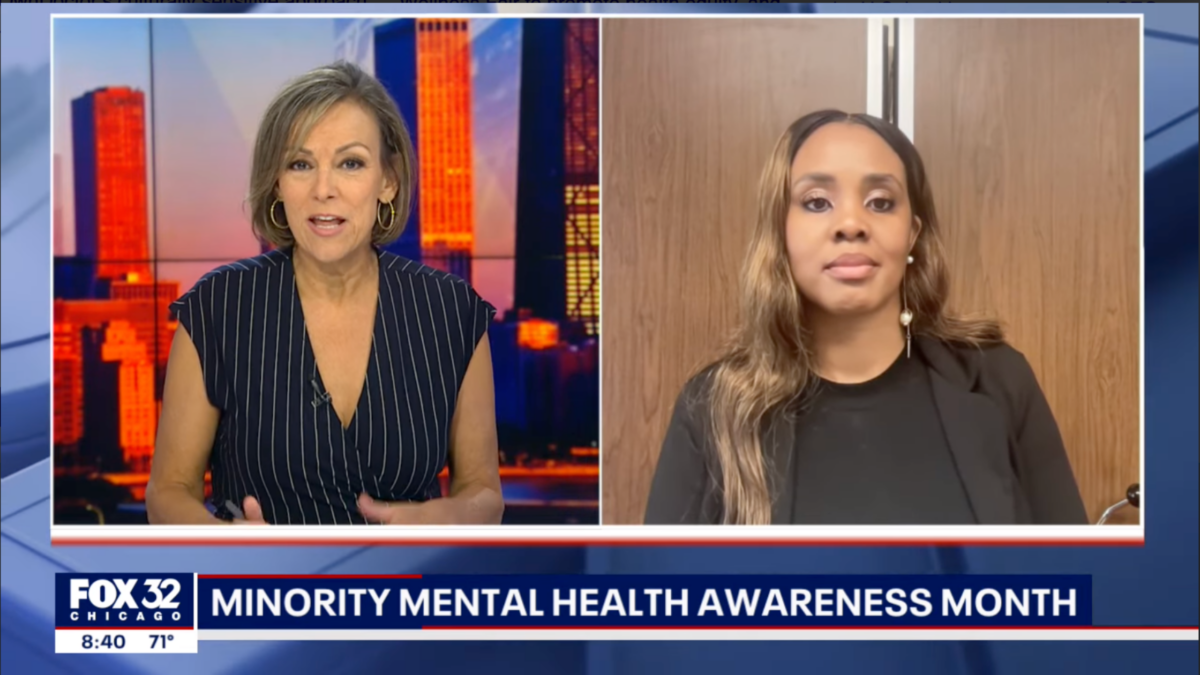
Good Day Chicago Saturday

MyOwnDoctor CEO Cheryle Jackson speaks about the power of telehealth to help people overcome barriers to medical care and MyOwnDoctor’s culturally sensitive approach to healthcare.

ABC7 Eyewitness News

MyOwnDoctor CEO Cheryle Jackson talks to Eyewitness News about culturally competent healthcare, the Mother’s Day Health and Wellness Fair to promote health equity, and MyOwnDoctor’s grants to nonprofits to help increase healthcare access to people of color.

Read the full article here >>